
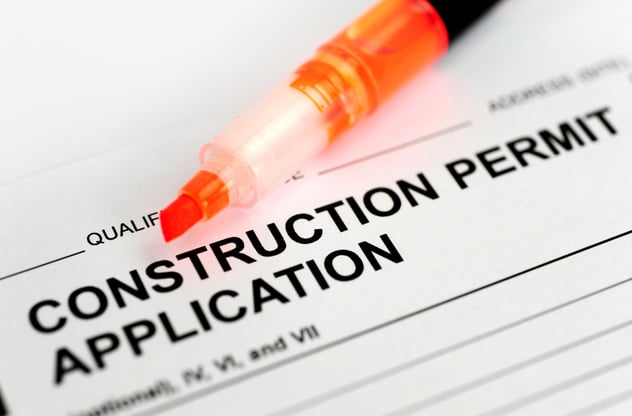
 Adding a pavilion to your backyard is one of the best ways to extend your living space outdoors. Whether you are envisioning a covered dining area, an outdoor kitchen, or a poolside retreat, the structure you choose matters.
One of the first questions homeowners ask is simple: do I need a permit for a backyard structure like this?
The short answer is often yes. But the longer answer is more nuanced and far less intimidating than most people think.
In this guide, we will walk you through pavilion building permits, zoning considerations, HOA approvals, and why doing things by the book ultimately protects your investment.
At Carolina Storage Solutions, our Timber Frame pavilions are engineered as permanent structures. They are not pop-up tents or lightweight kits. That is precisely why they are worth the effort.
The “Is it Required?” Question
Permit requirements vary by county and municipality, especially across the Carolinas and Appalachian region. However, most local building departments require permits for accessory structures that exceed a certain size threshold. In many areas, that number falls between 100 and 200 square feet.
If you are planning a 12x12 pavilion, you are already at 144 square feet. A 12x20 or 16x24 pavilion clearly exceeds most minimum thresholds. In these cases, pavilion building permits are typically required.
Beyond square footage, other factors can trigger permit requirements:
- Permanent foundations such as concrete pads or piers
- Electrical wiring for lighting or ceiling fans
- Proximity to property lines
- Roofed structures attached to the home
Because our Timber Frame pavilions are substantial, permanent installations built with solid Eastern White Pine and reinforced with 1/4 inch steel plate joinery, they almost always qualify as structures that need review and approval. And that is a good thing.
If you are asking, do I need a permit for a backyard structure that is engineered for longevity and value, the answer usually means your project is being treated seriously by your local jurisdiction.
Pavilion Building Permits
When people hear the word “permit,” they often imagine endless paperwork and red tape. In reality, pavilion building permits are designed to ensure that structures are safe, properly located, and built to withstand local weather conditions.
A permit application generally requires:
- A site plan showing where the pavilion will be located
- Dimensions and overall height
- Foundation details
- Structural specifications
- Information about materials
Because our pavilions use 1/4-inch steel-plate joinery and solid Eastern White Pine beams, they are structurally robust. This level of engineering demonstrates to inspectors that the structure is not a temporary shelter but rather a carefully designed timber-frame system.
Another key detail inspectors will want to see is foundation information. Our pavilions require either:
- A level concrete pad
- Or properly sized concrete piers
This foundation requirement reinforces the fact that these are permanent installations. It also gives you confidence that your pavilion will perform well in high winds, heavy rains, and seasonal snow loads common in parts of the Carolinas and mountain regions.
Building Codes vs. Zoning
One of the most confusing parts of the permitting process is understanding the difference between building codes and zoning laws.
They are not the same thing.
Building Codes govern how a structure is built. This includes:
- Wind load requirements
- Snow load requirements
- Structural integrity
- Proper anchoring to foundations
Inspectors want to ensure that your pavilion will stand up to local weather conditions. In mountain areas, snow loads can be significant. In coastal or open regions, wind loads are the primary concern. Our engineered timber frames and steel plate joinery provide the strength needed to meet these standards.
Zoning laws, on the other hand, regulate where the structure can be placed on your property. This includes:
- Setbacks from property lines
- Distance from the main house
- Proximity to easements or septic systems
- Maximum allowable lot coverage
When homeowners run into issues, it is often because of pavilion zoning laws rather than construction concerns. For example, your county may require that accessory structures be at least 10 or 15 feet from a property line.
The good news is that because Carolina Storage Solutions offers custom sizes, we can often adjust the dimensions of your pavilion to help you meet local setback requirements. If your ideal 16x24 design needs to be scaled slightly to comply with zoning rules, we can work with you to find a solution that preserves the look and function you want while staying compliant.
The HOA Factor
Even if your county approves your pavilion, your Homeowners Association may require a separate review process.
HOA approval for pavilion projects typically focuses on aesthetics and neighborhood consistency rather than structural safety. Boards want to ensure that additions complement the architectural style of the community.
To streamline this process, we recommend sharing our Timber Pavilion Collection PDF with your HOA board. This document showcases the high-quality craftsmanship, rough-sawn timber beams, and refined finishes that define our structures.
Unlike mass-produced metal or vinyl shelters, our Timber Frame pavilions are architectural statements. They elevate property value and enhance curb appeal. Presenting a polished, professional design package often reassures HOA boards that your project will enhance the neighborhood rather than detract from it.
When homeowners approach their HOA with clear plans, material specifications, and professional renderings, approvals tend to move much more smoothly.
Why Permits Protect You
Some homeowners are tempted to skip permits to save time. That decision can lead to significant headaches down the road.
First, unpermitted structures can create problems when you sell your home. Buyers and their lenders may require documentation proving that all improvements were approved. A permitted pavilion becomes part of your home’s legal, documented value.
Second, safety matters. A properly permitted structure is reviewed to ensure it can withstand local wind and snow conditions. In storm-prone areas of the Carolinas or higher-elevation Appalachian communities, this is not a minor concern.
Third, insurance coverage can be affected. If a non-permitted structure is damaged during a storm, you may encounter complications when filing a claim.
In contrast, a permitted Timber Frame pavilion anchored to a concrete foundation, engineered with steel plate joinery, and built from solid Eastern White Pine stands as a permanent, code-compliant improvement. It reflects thoughtful planning and long-term investment.
Permits are not just paperwork. They are protection.
How Carolina Storage Solutions Helps
While we do not file permits on your behalf, we make the process straightforward by providing the specifications and structural details you need to submit to your local building department.
We can supply:
- Detailed dimensions
- Structural information about 1/4 inch steel plate joinery
- Material specifications for Eastern White Pine
- Foundation requirements for concrete pads or piers
These documents give your local officials the information they need to review your project efficiently. Because our pavilions are engineered as permanent structures, they are presented professionally and clearly.
If zoning adjustments are needed to meet setbacks, our custom sizing options allow us to adapt. That flexibility often makes the difference between a frustrating delay and a smooth approval.
Do It Right from the Start
So, do you need a permit for a backyard structure like a Timber Frame pavilion?
In most cases, yes. And that is not something to fear.
When you invest in a high-quality pavilion built with solid Eastern White Pine, reinforced with 1/4 inch steel plate joinery, and anchored to a concrete foundation, you are building something permanent. It deserves to be documented, approved, and protected.
Do not let paperwork stand in the way of creating the outdoor space you have been dreaming about. Call Carolina Storage Solutions at (877) 305-4277. We will provide the structural details and guidance you need to start the pavilion building permits process with confidence and move one step closer to transforming your backyard.